English · Русский · Español · Հայերեն · Türkçe
Custom Profections: How to Work with a Non-Standard Degrees-Per-Year Model
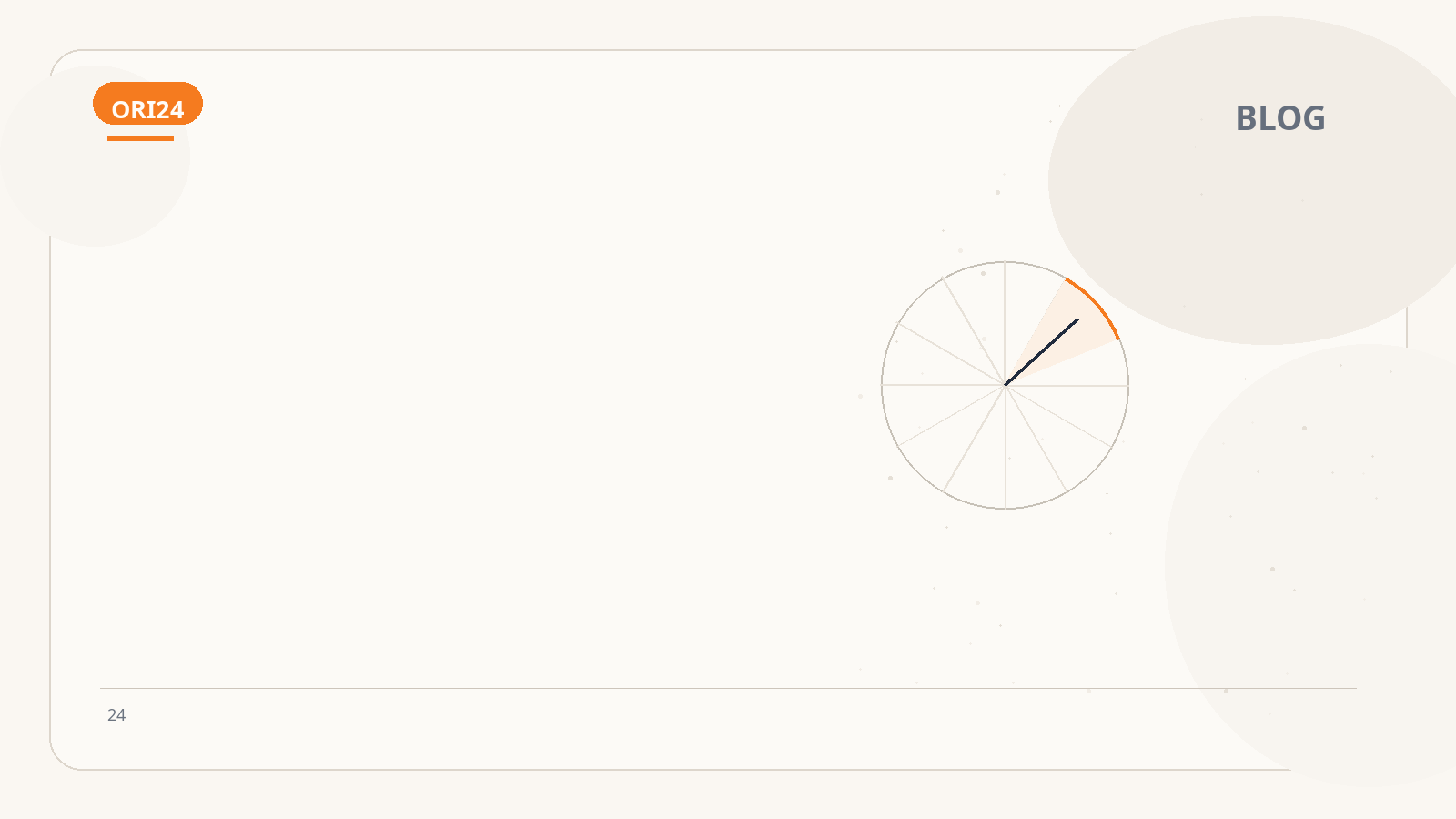
Classical annual profections are popular for a reason. They are clean, readable, and easy to explain: each birthday activates a new house, and the year takes on that topic. But once you start using an advanced engine like ORI24, a natural question appears: what happens if the yearly rhythm is not read only through the classical 30°-per-year pace?
That is where custom profections become useful. Instead of assuming that every research question must follow the same symbolic speed, the method lets you test a different degrees-per-year model and compare how the activation unfolds. Used well, this does not replace the classical method. It gives you a second timing frame for cases where the default rhythm feels too blunt, too broad, or simply not specific enough for the topic you are studying.
What a custom profection actually changes
In the classical version, the activation moves one whole house per year. That is why the method feels so structured: the house of the year is clear, and the ruler of that house becomes the main planet to track.
A custom profection changes the speed of activation. Instead of reading the year only through the default rate, you tell the tool to move at a different symbolic pace. In practice, that changes when a house, cusp, or sensitive point becomes emphasized in the model.
The natal chart does not change. The houses do not change. What changes is the rhythm you use to follow them through time.
Why 30° per year is the classical default
The classical annual method is built on a simple cycle: twelve houses, twelve years, repeating through life. Symbolically, that works out to one sign or one house per year, which is why people often describe it as a 30° yearly movement.
That simplicity is exactly what makes annual profections so powerful. They answer one question fast: what part of life is emphasized this year? If the activated house is the 7th, relationship and one-to-one themes rise. If it is the 10th, career, visibility, and responsibility become louder. The method gives you a clean yearly frame without drowning you in detail.
So the custom version should never be the first thing you open. First, understand the classical cycle. Then test whether the period needs a more adjustable rhythm.
What changes when you slow down or speed up the model
When you change the degrees-per-year rate, the emphasis no longer lands at exactly the same tempo as the classical method. A slower model can stretch a theme, making long transitions easier to observe. A faster model can make the movement feel more granular, which is sometimes useful when you are tracking a concentrated chapter rather than a broad solar year.
This matters because real life is not always felt in one symbolic tempo. Some periods are clear house-years: the subject is obvious, the ruler is obvious, the timing is coherent. Other periods feel more layered. A chapter may shift gradually, peak in the middle, or move through a topic faster than the classical frame suggests.
That does not prove the classical model is wrong. It simply means another model may describe the same chapter from a different angle.
When custom profections are worth testing in ORI24
The method is most useful when the basic forecast is already understood but the rhythm still feels too rough. You may know that a partnership chapter is active, or that the year is clearly about money, family, career, or recovery. Yet the classical profection may show the right theme without showing the finer pacing you are trying to study.
That is usually the moment to test a custom rate. It can be especially helpful when:
- the classical house-year is correct, but the internal movement of the chapter still feels too broad;
- you are comparing one long period across several methods inside ORI24;
- you want to study how a house activation builds toward a specific pivot inside a larger year;
- the engine is being used for research rather than only for a beginner-level reading.
In other words, custom profections are strongest as a refinement tool, not as a replacement for the basics.
How this differs from classical profections and custom progressions
Classical profections remain the cleanest starting point. They show the main house of the year and the lord of the year. If you have not checked that layer yet, begin with annual profections and then compare it with the more focused logic of classical profection.
Custom profections keep the same general family of timing but modify the rate of symbolic movement. They are still about house activation, but with a tunable rhythm.
Custom progressions belong to a different layer. There you are changing the coefficient of a progression model rather than the speed of profected house movement. If you are comparing methods inside ORI24, the question is simple: are you trying to refine a house-based yearly timing tool, or are you testing a progression clock? If it is the second question, open custom progressions instead.
How to choose a custom speed without guessing wildly
The biggest mistake is to pick a new number every time something does not fit. That turns research into decoration. A better approach is to define the reason for the experiment before you read the result.
Ask three things first. What is the real topic? Why is the classical profection not enough for this question? What other methods already repeat the same story?
If the answer is vague, keep the classical model. If the answer is strong, then a custom rate can be worth testing. The method works better when it is driven by a clear hypothesis: for example, “The year theme is right, but I need a more precise internal pacing of the activation.”
That keeps the tool honest.
How to validate the method instead of curve fitting
A good rule is to compare the custom profection with at least two other layers. Most often that means the natal chart, current transits, the solar return, or secondary progressions. If the same topic repeats across those methods, the custom model becomes more persuasive.
Another rule is even simpler: do not judge the method by one spectacular hit. Judge it by whether it organizes the whole chapter better. A useful model should improve coherence, not just produce one satisfying coincidence.
That is the difference between a research tool and a lucky guess.
Best workflow inside ORI24
The cleanest sequence is usually this. Start with the natal promise. Then open the classical yearly frame with profections. After that, compare the year with transits, returns, and progressions. Only then test a custom degrees-per-year profection if the pacing still needs refinement.
That order matters because ORI24 becomes far more readable when you move from broad structure to narrower experimental tools. The custom model works best when it is used deliberately, not as the first tab you click out of curiosity.
FAQ
Is a custom profection more accurate than a classical profection?
Not automatically. The classical version is still the best default. A custom model is only useful when it clarifies the rhythm of a chapter better than the standard one.
Does changing the degrees-per-year rate change the natal chart?
No. The birth chart stays the same. What changes is the symbolic pace used to time activation through the profection model.
Should beginners start with custom profections?
Usually no. Beginners get much more value from learning ordinary annual profections first. The custom version makes sense later, when the classical structure is already clear.
What should I compare a custom profection with?
The strongest comparison is usually the natal chart, classical profections, transits, solar returns, and secondary progressions. If multiple layers repeat the same story, confidence goes up.