English · Русский · Español · Հայերեն · Türkçe
What Your Natal Chart Shows and Where to Start
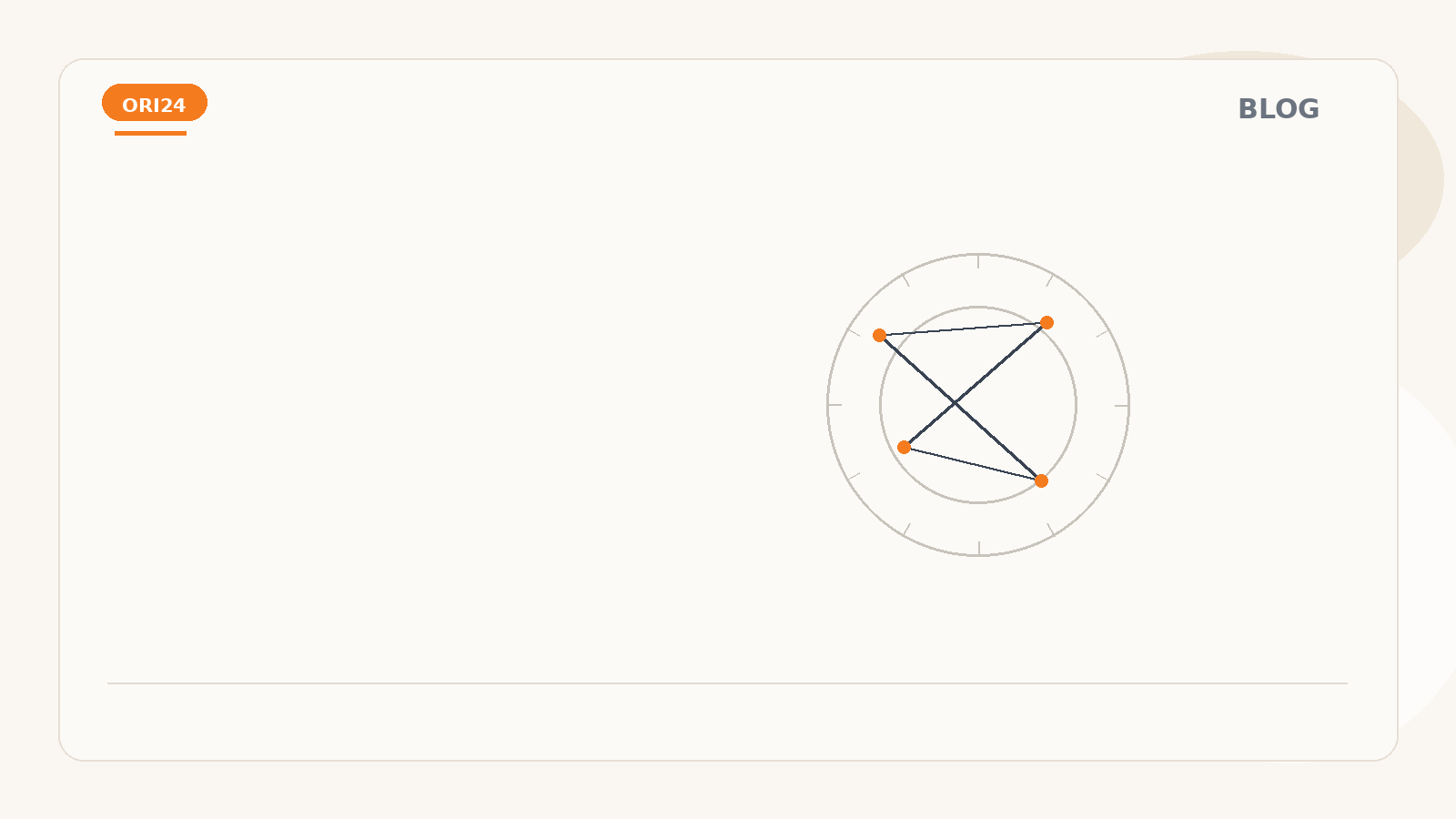
A natal chart is a map of the sky for the exact moment you were born. In practice, astrologers use it to describe a person’s natural wiring: how they respond, what they value, where they feel strong, and which life themes tend to repeat.
The important part is this: a natal chart is not a sentence and it is not a fixed script. It is closer to a pattern. It shows what comes naturally, where growth is required, and which questions keep coming back until you understand them better.
What a natal chart can actually show
A good natal reading does much more than tell you your Sun sign. It can describe your basic motivation, your emotional needs, your communication style, your approach to love, your relationship to work and money, and the kind of environment in which you function best.
That is why two people born on the same date can still feel very different. A chart is built from the full birth data, not just the zodiac sign most people know from a newspaper horoscope.
- Your core temperament and default way of acting
- What makes you feel safe, supported, and emotionally settled
- How you build closeness, handle tension, and choose partners
- Where your talents are easier to develop and where life asks for discipline
The basic pieces of the chart
If you are just starting, focus on four building blocks. Planets show which part of your experience is speaking. Signs show the style. Houses show the area of life. Aspects show how different parts of your personality cooperate or clash.
For a first reading, the big three are the easiest entry point: the Sun, the Moon, and the Ascendant. Together they already give a surprisingly real portrait.
- Sun — your central identity and the way you want to express yourself
- Moon — your emotional habits, needs, and instinctive reactions
- Ascendant — how you enter the world and what people notice first
Why birth time matters so much
The date gives the basic planetary positions, but the birth time changes the Ascendant, the house system, and the angle structure of the chart. In other words, it changes where life events and personal themes show up most strongly.
You can still get something useful without a precise birth time, especially from planet signs and broad psychological themes. But the reading becomes less exact when you move into relationships, career timing, life direction, and concrete house topics.
The easiest way to start reading your own chart
Do not try to decode every symbol at once. Start with the Sun, Moon, and Ascendant. Then look for repeated themes. If the same idea shows up in several places, it usually matters more than one isolated placement.
After that, pay attention to which houses are busy and which questions feel alive for you right now. A chart becomes useful the moment it connects to a real question: love, work, money, self-worth, direction, relocation, or family.
What to do after the first reading
The natal chart gives you the baseline. If you want to understand your current period, you normally move on to timing methods such as transits, a 30-day forecast, or a solar return.
That is the most useful sequence for beginners: first understand your design, then look at the timing. It keeps the reading grounded instead of dramatic.
FAQ
Is a natal chart the same thing as a zodiac-sign horoscope?
No. A zodiac-sign horoscope usually uses only your Sun sign. A natal chart uses your date, time, and place of birth, so it is far more personal.
Can I read a natal chart without my birth time?
Yes, but with limits. You can still learn from planet signs and broad themes, but the Ascendant, houses, and some life emphasis points become unreliable.
What should I look at first?
Start with the Sun, Moon, and Ascendant. Then look for repeated themes and the houses that carry the most activity.
Does a natal chart predict exact events?
Not on its own. It gives the base pattern. Exact timing is usually read through forecasting methods such as transits, progressions, and return charts.